
More Post from the Author
- Gyrostat May Market Outlook: When The Cost Of Protection Falls - Signals For Portfolio Positioning
- The Risk Most Portfolios Do Not Explicitly Manage
- Gyrostat April Outlook: The Changing Cost of Protection
- What Advisers Misunderstand About Protection
- Gyrostat Market Outlook: Looking Beyond The 30-day Volatility Headlines
Leaders In Focus: WealthCo
Leaders in Focus:WealthCo
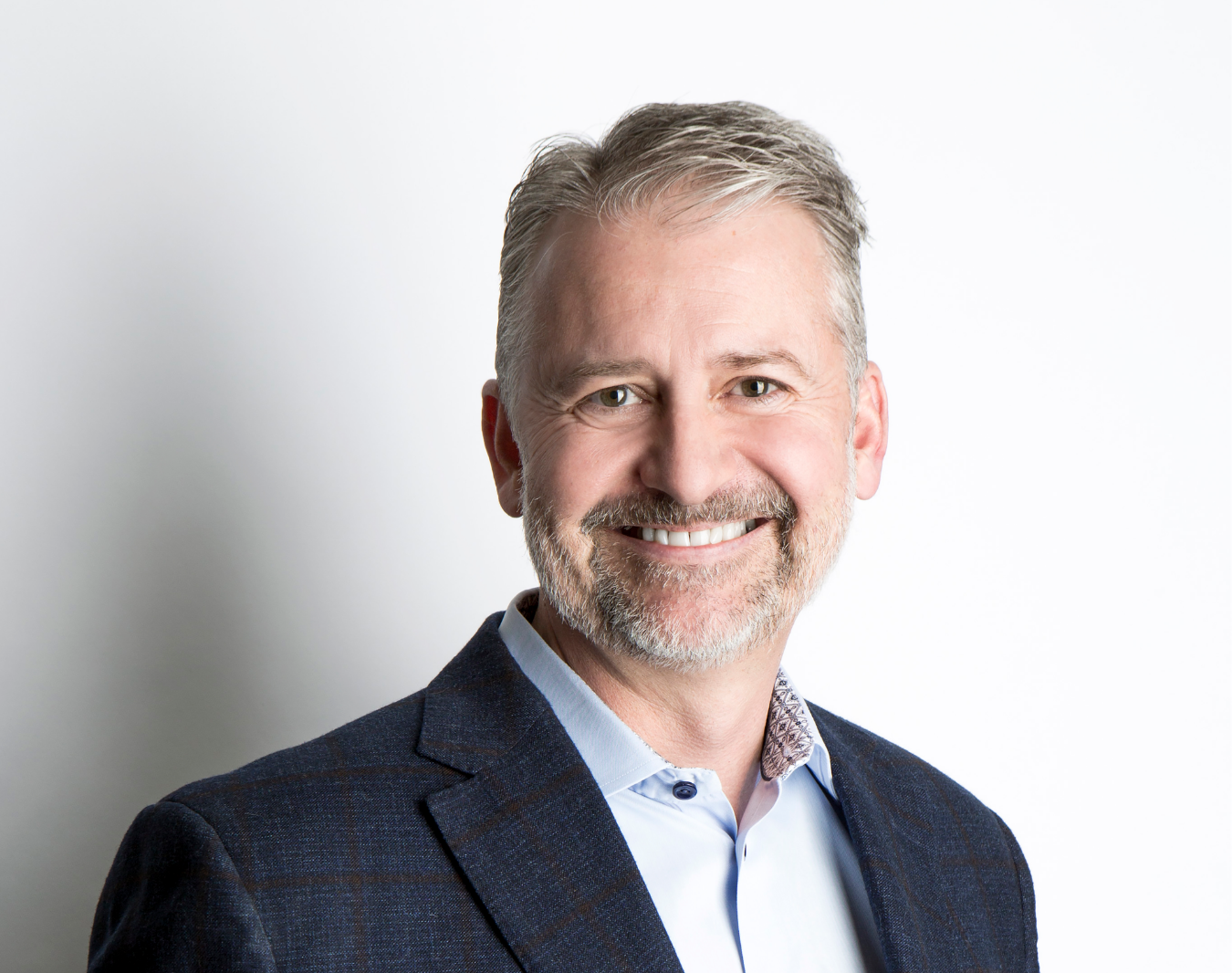
An interview with David Udy, Founder and CEO
Winner: Best Estate Planning Advisory, Canada 2025
WealthCohas spent more than two decades refining a model built on genuine collaboration between financial advisors, accountants, legal partners and insurance specialists. What began in 1999 as a small advisory practice has evolved into a nationwide integrated network supporting business owners, families and entrepreneurs through the complexity of estate planning, wealth structuring and long-term financial strategy.
In this conversation, David reflects on the firm's journey, the philosophy behind its integrated approach, the importance of trusted professional partnerships and the future of advice in a rapidly changing industry.
Brett
Congratulations on winning Best Estate Planning Advisory in Canada 2025. What does this recognition mean to you and toWealthCoas a firm?
David
It means a great deal. I am proud of our team, but I am equally proud of the relationships that underpin this business.WealthCowas not built overnight. It has taken 26 years of effort, learning and collaboration to get here. Before founding the firm, I managed a national operation for a large insurance and investment company, and at that time my life looked very different. When I startedWealthCo, I imagined something small, maybe myself and an admin. Everything changed over time.
This award recognises the value of that long standing collaborative vision. Estate planning requires a combination of technical skill, strong relationships and a genuine desire to serve. For us, it is always about people first. The recognition reflects the work of many, not just those inside our walls, but also the collaborative firms across our Integrated Advisory network.

Brett
Your company's history goes back to 1999. How didWealthCogrow from a boutique advisory into a fully integrated wealth services firm?
David
My background was in management, and early in my career I was responsible for around a thousand people. I was in my early thirties, travelling every second week, raising three young children, and life was hectic. The job was going well, but I wanted to build something of my own. I had spent a decade helping others start practices, so I assumed it would be simple.
What set my early approach apart was how I engaged with clients. I always met people without an agenda. I wanted to understand them first. One of my first questions was always, who is your accountant? I had worked closely with accountants and actuaries for years, so collaboration was second nature to me. I would contact the client's CPA before making any recommendations.
The surprising part was that almost every CPA said I was the first advisor who had ever spoken to them before selling something to their client. That realisation changed everything. Many advisors were afraid to speak with accountants, often because they feared appearing less knowledgeable about tax. But in reality, accountants and advisors know different things. When both sides acknowledge that, a strong partnership can form.
Those early relationships with accountants became the foundation ofWealthCo's growth. They preferred to work with someone who collaborated openly and kept their clients' interests front and centre.
Brett
Do you think that reluctance among advisors was rooted in fear that their knowledge gaps would be exposed?
David
Partly, yes. There is a perception that accountants have all the answers. If an advisor does not understand taxation or how tax interacts with financial products, it becomes intimidating. But many advisors, particularly those who specialise in insurance or investments, often understand the tax implications of their work better than the accountants do. We all have our domains of expertise.
Collaboration only works when both sides recognise that. If either party enters the relationship trying to assert superiority, it breaks down. But most CPAs genuinely want the best outcome for their clients. Once you meet them on equal footing, trust builds quickly.
Brett
Working collaboratively, you deliver a far more complete solution.
David
Exactly. As we added more specialists, the work became stronger. The comparison between 1999 and today is huge. We now have almost forty people withinWealthCoand hundreds more working with us through strategic partnerships. Complex lives cannot be managed by a single professional. It takes a village, and our success has come from embracing that reality early.
Brett
Your core message is that financial, tax, insurance and legal planning are deeply interconnected. How does your team collaborate across these domains to produce a truly integrated estate plan?
David
Integration is an ongoing discipline. We get better each year, but it is never finished. True collaboration starts with understanding the client's long term outcome, not with product solutions. Too often, professionals begin with their own lens. A lawyer may insist on trusts and holding companies. An accountant may focus on maximum tax efficiency. An insurance advisor may lead with an insurance solution. The investment specialist has their own angle.
Individually, each recommendation might be valid. But none of it matters without clarity on what the client actually wants to achieve. Our job is to uncover that outcome first. Once that is clear, we bring the specialists together to build the structure around it. Without that starting point, the plan becomes fragmented.
Brett
You position yourselves as trusted partners to accounting firms. How did that strategy develop, and how has it shaped the way you serve Canadian families?
David
It began almost by accident. My intention was simply to have good conversations with good people. Over time, we realised that individually we did not have every tool needed for exceptional estate planning, but together we could deliver something far stronger. That insight kept expanding. We started connecting with specialist lawyers, philanthropic advisors and other professionals. We kept educating our own team.
It took around twenty years to build the tools, processes and technology that make true integration scalable. Today, a major part of that is Advisor Desk, the platform we are building to help us collaborate more effectively using modern technology. It allows us to coordinate across all advisors while keeping the client firmly in control of their data.
The entire strategy grew organically, but it became clear that collaboration was the only way to serve families with complex needs.
Brett
It is surprising how many large financial institutions still fail to leverage technology to improve client service.
David
It is harder than it appears. Legacy systems were not designed around what clients care about. They store account values, tax records and notices of assessment. Useful information, but not the priorities that drive decision-making.
Our goal with Advisor Desk is to create a single place where clients can store what matters, access key information and see the full picture of their financial lives. But even that does not begin with data. It begins with understanding their purpose. We use a process called My Why, which helps couples identify the four things that matter most to each of them. They often discover they have never discussed these priorities together.
Estate planning becomes meaningful only when we build around those core motivations.
Brett
Estate planning can be emotional and complex. What steps do you take to ensure clients feel supported throughout the process?
David
It always begins with conversation. One example that has stayed with me dates back about twenty years. A couple came in after selling a large oil and gas business. I asked the husband to describe his life six months into retirement. He told me about their sailboat and a plan to travel from Victoria to the Caribbean. It was a vivid and exciting vision.
Then I asked his wife what she thought of that plan. Her response was, "How does he plan on getting my horses onto his boat?" I had no idea she bred Arabian horses. That was her passion, and she had already been living her retirement life for years. They had simply never discussed it.
None of the technical solutions they needed mattered until they resolved that fundamental disconnect. Estate planning is about aligning real lives, not jumping straight into trusts or insurance structures. When the emotional foundation is clear, the technical solutions fall into place.
Brett
With so many advisory firms in the market, how do you differentiateWealthCoin both process and philosophy?
David
Winning this award is recognition of the broader Integrated Advisory network we built, not onlyWealthCoas an individual firm. Our differentiator is that we formalise collaboration with the client's most trusted advisors, especially their CPA. We never try to replace that relationship. Instead, we work to elevate it.
Many advisors see CPAs as competitors. We see them as partners. We start with collaboration rather than fearing it. Clients benefit from a unified team rather than conflicting voices. It is a simple idea, but in financial services, it is rare.
Brett
You work extensively with business owners and entrepreneurs. That segment often faces complex regulatory and financial hurdles. How do you view your role in supporting them?
David
I am passionate about this group because I am one of them. Small and mid-sized business owners drive the economy, yet their lives are made unnecessarily complex. They employ most of the country, carry significant risk and navigate decisions that affect families, employees and communities.
Our role is to simplify their world. We want them to know that they have a group of advisors who work together, understand their goals and help them make progress. Whether it is estate planning, tax strategy, HR support or philanthropic planning, they need one integrated team, not a collection of disconnected professionals.
The growth of our firm from one person to more than forty was built entirely on serving this community well.
Brett
Turning to leadership, what have been some of the decisive moments in your own journey that helped shapeWealthCointo the firm it is today?
David
A major turning point was building a strong executive leadership team. I am not a details person. My strength has always been vision and the ability to see what is coming next. But vision only matters if there are leaders beside you who can execute. At some point, you realise that you cannot scale a firm without other talented people taking responsibility for the areas you should not be managing.
I stepped out of the president role for that reason. Today, Sophie Blais serves as president. She handles the operational oversight that does not play to my strengths. We also have senior leaders in investment management, strategic partnerships, operations and technology. Each of them is exceptional in their field.
Our success comes from those people. Beyond our internal team, the strategic partnerships across our Integrated Advisory network are just as important. If we want to change the way financial services operate in Canada, we have to give other advisors the tools and processes to work the way we work. It is the only way to create broad impact.
Brett
That collaborative structure sounds a little like a one-stop-shop, but built on independent expertise rather than a single institution.
David
That is exactly how we see it. We are not trying to become a monolithic institution. We are trying to build an environment where multiple professionals can work together toward the client's goals.
One of our partners once compared our model to an airport. An airport brings together many independent providers under one roof. Airlines, security, food services, logistics and support systems are all separate, but together they deliver a coherent experience. Without the airport infrastructure, none of those businesses can operate efficiently.
That is how we think about integration. We create the environment that lets great professionals collaborate effectively. The client benefits from a seamless journey even though the expertise comes from different sources.
Brett
The integration of wealth, retirement, risk and legacy planning is a major theme for you. How do you help clients understand the long-term value of this holistic approach?
David
Most clients understand it immediately once we describe what their current experience looks like. Business owners in particular are tired of telling the same story to multiple professionals. They speak to an accountant, then repeat it to a lawyer, then to an insurance advisor, then to an investment firm. They try to coordinate advice that often conflicts. It is exhausting and inefficient.
When we explain that they will work with an integrated team that already communicates with each other and that we start by understanding their long-term goals, the value becomes obvious. They do not need much convincing. Everyone wants clarity, simplicity and alignment across their financial life.
Brett
It almost sounds like a family office model for clients who are not necessarily ultra high net worth.
David
That is exactly what it is. We manage money the same way institutions do. By pooling capital from thousands of families, we can access the same institutional money managers that only the wealthiest individuals normally reach. A client with five hundred thousand dollars receives the same disciplined approach as someone with fifty million.
Integration makes this possible. The client gets a family office style experience without needing to be ultra wealthy.
Brett
A lot of financial advisors still operate in a transactional way, focusing on short term wins. How do you keep clients focused on the bigger picture of long term or intergenerational wealth?
David
We start by defining what they truly want, not what the industry assumes they want. Some clients want to leave a legacy. Others want to spend everything and support their children while they are alive. Some want their business to survive them. Others want to sell and walk away. There is no one model.
Once their goals are clear, the planning becomes purposeful. The technical work is easy once the direction is set. What we focus on is turning planning into action. For years, the industry produced beautiful binders that clients never opened again. They were out of date the moment they were delivered.
Our Advisor Desk platform solves that. It breaks the plan into clear action items. Each party knows what they are responsible for. It moves the engagement away from transactions and toward a relationship built on consistent progress.
Brett
As we look ahead, what is next forWealthCo? Are there new services, platforms or partnerships on the horizon?
David
The next chapter is defined by Advisor Desk and the expansion of our Integrated Advisory network. It has taken us more than two decades to refine this model, and now we are building a platform that allows it to scale.
AI and automation are going to disrupt large parts of financial services and accounting. Many tasks that professionals consider central to their value will be performed by technology. We have to be proactive. Advisor Desk allows us to shift from being technicians to being true advisors. The future of advice is in understanding clients, asking great questions and making complex lives easier. Technology will support that by lifting insights from data that would have taken hours of manual work.
Our role is to help advisors evolve, not just withinWealthCobut across the broader network. If we want to elevate financial advice in Canada, we must help other professionals adopt the same integrated approach.
Brett
It feels like this shift puts even more emphasis on human connection.
David
Absolutely. Technology is essential, but people still want to talk to someone when they are making important decisions. They want clarity, reassurance and a relationship. Technology should handle routine tasks and education, while advisors focus on the moments that really matter.
Jeff Bezos once said that the best question is not what will change in the next five years, but what will not change. Complexity will not disappear. The need for trusted human advisors will not disappear. People will always want someone who understands their situation and can guide them. That is where our focus will remain.
Brett
A great note to end on. Thank you for such an open and thoughtful conversation, and once again, congratulations.
About Brett Hurll
Brett Hurll, Executive Editor at Global Financial Market Review, draws on over 35 years of international experience across technology and finance sectors, providing readers with sharp analysis and unique perspectives on emerging trends, market shifts, and the complex interplay between global business and political dynamics. His extensive background and senior leadership role position him as a trusted voice on financial markets and economic developments. If you have an interesting editorial reach out to our team at editoral@gfmreview.com
More Post from the Author
- Gyrostat May Market Outlook: When The Cost Of Protection Falls - Signals For Portfolio Positioning
- The Risk Most Portfolios Do Not Explicitly Manage
- Gyrostat April Outlook: The Changing Cost of Protection
- What Advisers Misunderstand About Protection
- Gyrostat Market Outlook: Looking Beyond The 30-day Volatility Headlines